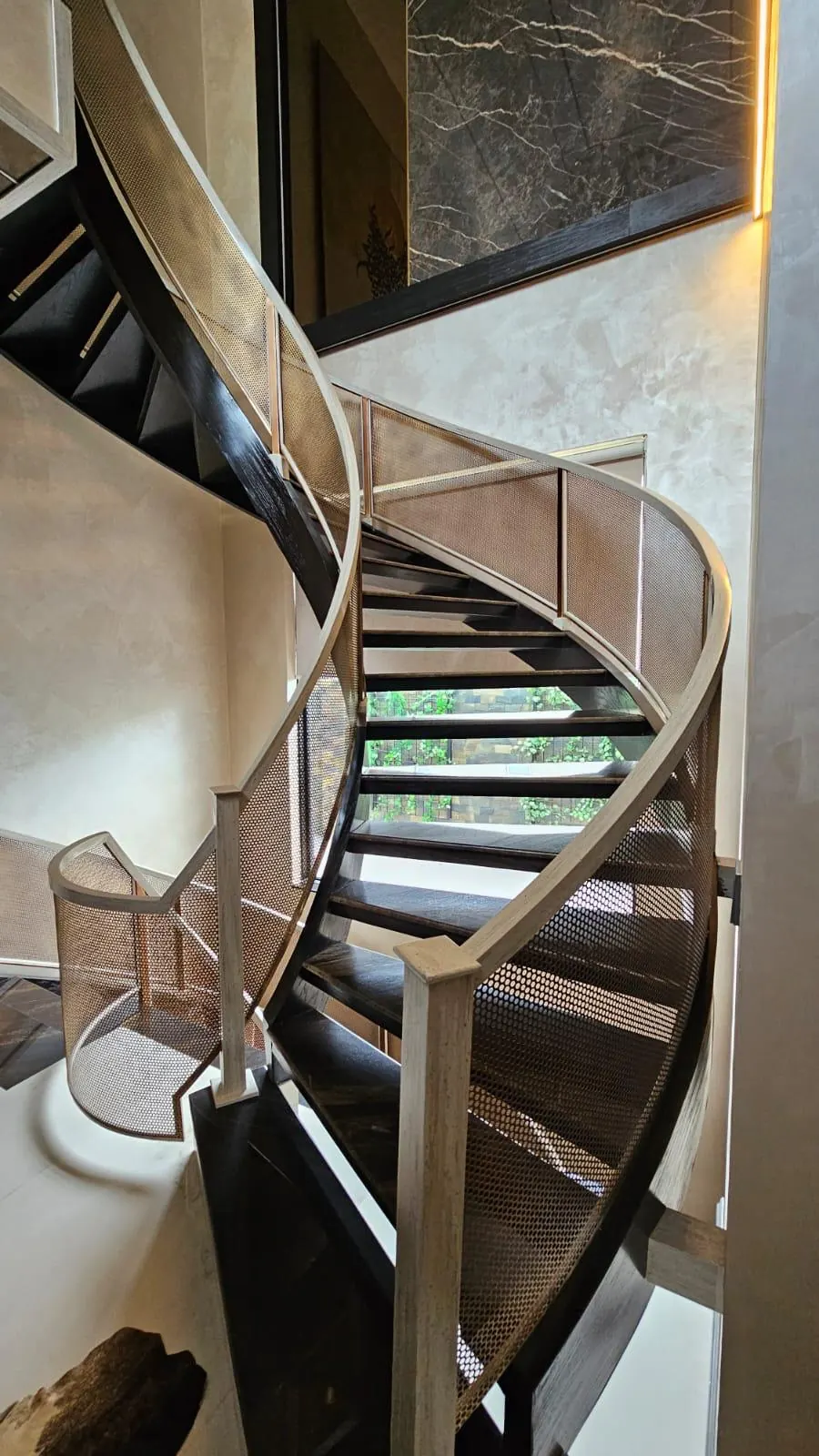
Understanding Corian & Dekton
Two premium surfaces, each suited to different needs — here's how to choose.
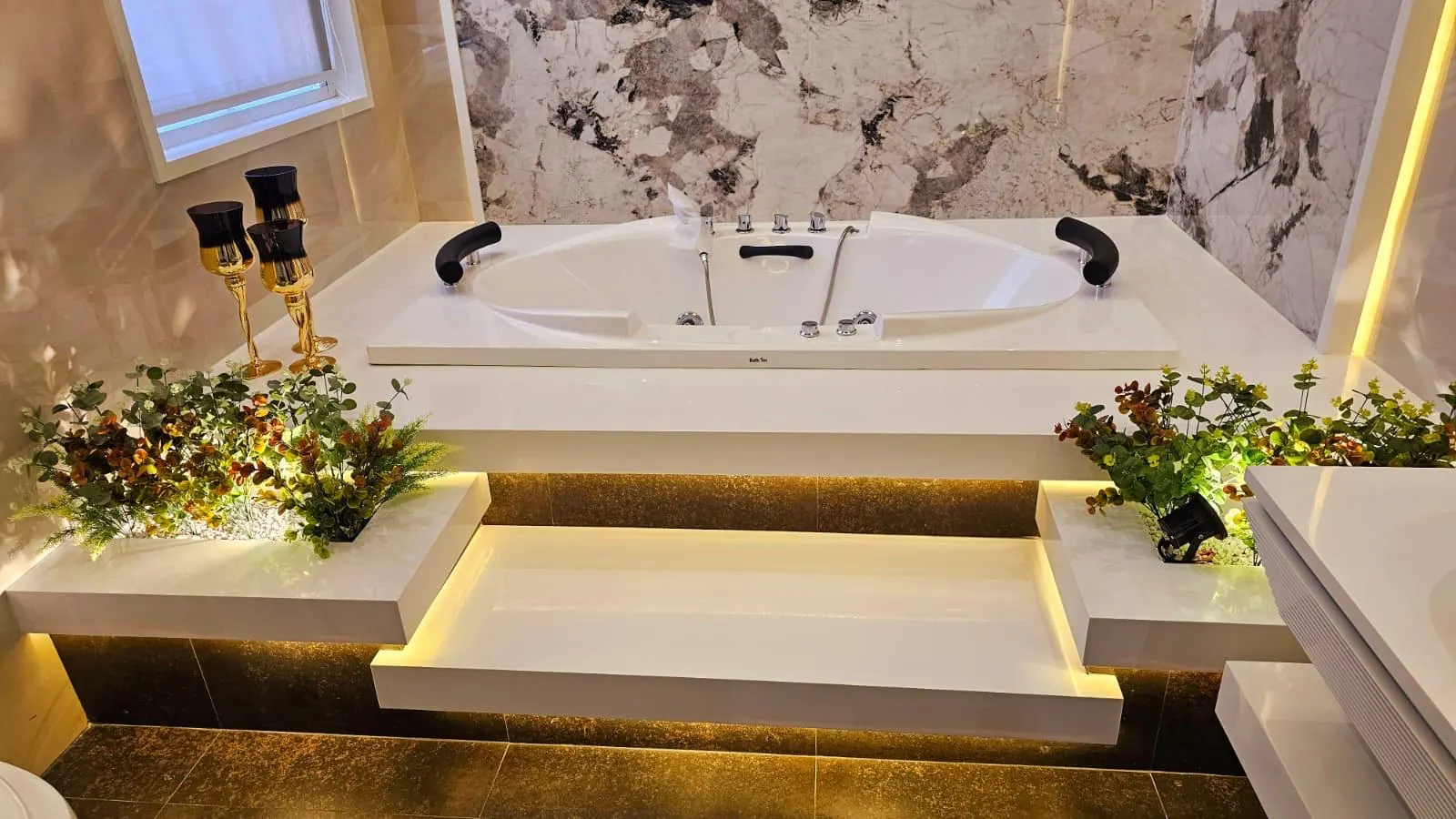
Corian — Seamless, Sculptural Solid Surface
Corian is a solid-surface material composed of acrylic polymer and natural minerals, cast into slabs that can be cut, routed, and thermoformed into virtually any shape. It has been the benchmark for premium built-in surfaces for decades.
Because Corian sheets can be joined with a colour-matched adhesive and sanded flush, our fabrication produces truly seamless surfaces — no visible joins between the countertop and an integrated sink, or across a long run of vanity. Heated in a controlled oven, the same sheets bend into curves, allowing sculpted bathtub surrounds, reception desks, and wall panels.
Corian is non-porous, so it doesn't harbour bacteria and cleans up with mild soap. Damage from a scratch or burn can be sanded out and re-polished on site — something no stone or sintered surface allows. Its translucency also makes it a favourite for backlit features.
- Non-porous, hygienic finish
- Fully seamless joints
- Thermoformable into curves
- Repairable and re-polishable
- Wide range of colours and patterns
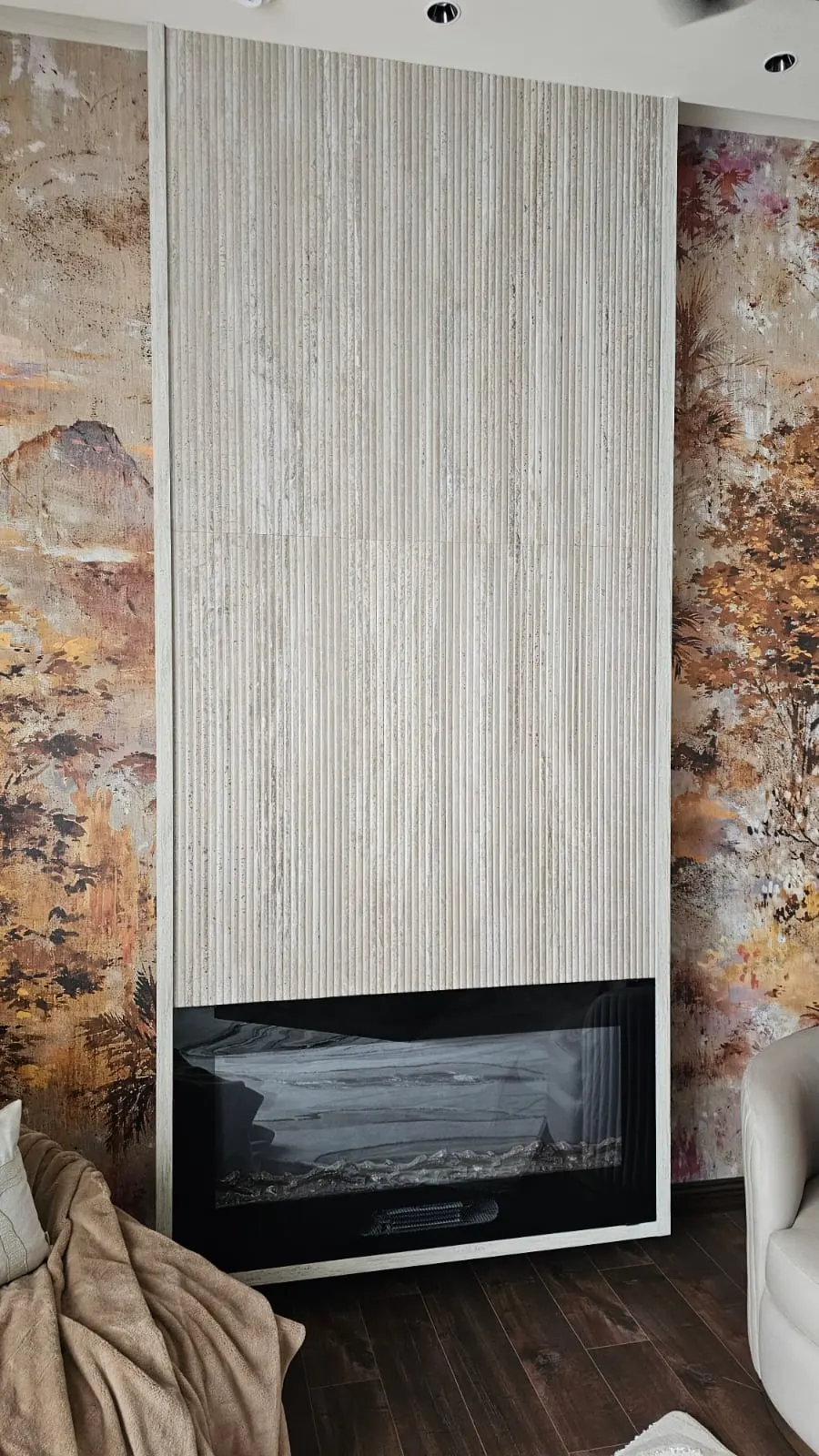
Dekton — Engineered for Extreme Durability
Dekton is an ultra-compact surface produced through Cosentino's Sinterized Particle Technology — an accelerated version of the natural process that forms stone over thousands of years. The result is a dense, zero-porosity slab with the strength of engineered stone and the resilience of technical ceramic.
It stands up to direct heat from pans, resists scratches from knives and grit, and shrugs off staining from oil, wine, and household chemicals. Its UV stability means colours won't fade, making it one of the few premium surfaces certified for outdoor use — kitchens, facades, and cladding included.
Because Dekton doesn't need sealing or specialised care, it's a workhorse choice for kitchens and commercial spaces where the surface has to look considered while taking daily abuse.
- Extreme heat resistance
- Scratch and stain resistant
- UV stable — outdoor safe
- Zero porosity
- Virtually maintenance-free
Corian vs Dekton — Side by Side
| Attribute | Corian | Dekton |
|---|---|---|
| Seamlessness | Truly seamless joints; integrated sinks possible | Visible joints between slabs |
| Heat Resistance | Moderate — trivets recommended | Extreme — hot pans direct to surface |
| Scratch Resistance | Softer; scratches can be sanded out | Very high; resists knives and grit |
| Outdoor Use | Not recommended (UV sensitivity) | UV stable, certified for outdoors |
| Ideal Applications | Vanities, sinks, bathtub surrounds, reception desks | Kitchen tops, facades, cladding, commercial floors |
| Maintenance | Mild soap; repairable on site | Virtually maintenance-free; no sealing |
Common Questions
Corian is an acrylic-based solid surface known for its seamless joints, thermoformability, and repairable, non-porous finish — ideal for sculptural pieces like vanities, sinks, and bathtub surrounds. Dekton is an ultra-compact sintered surface engineered for extreme durability, high heat and UV resistance, making it better suited to kitchen countertops, outdoor spaces, and facades.
For most kitchens, Dekton has the edge — it resists scratches, heat from hot pans, and staining from oils or wine without needing sealing. Corian is still a valid kitchen choice when a seamless, uniform look with integrated sinks matters more than absolute heat resistance.
Corian is not recommended for permanent outdoor use — prolonged UV exposure can affect certain colors. Dekton, on the other hand, is UV stable and specifically engineered for outdoor kitchens, cladding, and facades.
Pricing depends on material grade, slab area, edge detail, sink integration, and installation complexity. Every project is quoted individually — get in touch with your dimensions and reference images and we'll share a detailed estimate.
Typical residential projects run 2–4 weeks from measurement to installation, depending on material availability and design complexity. Larger commercial jobs and thermoformed Corian pieces may take longer.
Yes — many of our projects combine Corian and Dekton to play to each material's strengths, for example Dekton kitchen tops paired with a seamless Corian island or vanity.
Not sure which material fits your project?
Share your space, use case, and references — we'll recommend the material and finish that fits best.